One of the more surprising things about living with dogs for a long time is realizing how much they actually care about routines, habits, and shared space. Some dogs are naturally more structured than others, but many of them genuinely prefer consistency once they understand what is expected of them.
Our husky, for example, is an unusually clean dog. He cleans himself constantly like a cat, prefers using the same areas of the yard, and seems happiest when his environment feels predictable and organized. Oddly enough, this does not apply to mealtimes. The moment he gets a bowl of food, he immediately starts carrying pieces of it around the house and carefully placing them across the floor like tiny treasures before eventually letting the cats steal half of them anyway. Dogs are strange sometimes, but they are also much more observant and intentional than people give them credit for.
That is part of the reason designated potty areas can work surprisingly well for many households.
A lot of homeowners assume dogs will simply use the entire yard randomly forever, but many dogs can absolutely learn boundaries between “play space” and “bathroom space” if those boundaries are communicated clearly and consistently. This becomes especially useful during the warmer months, when people start spending more time outside again, gardening, grilling, playing with kids, or simply trying to enjoy the yard without constantly scanning the grass first.
Why Some Dogs Prefer Consistency
Dogs are naturally pattern-oriented animals. Once they understand a routine, many of them prefer sticking to it because it makes their environment easier to understand and predict. That applies to everything from feeding schedules to walking routes to where they feel comfortable going to the bathroom.
Some dogs pick up on these habits very quickly, while others need more repetition and structure. Breed, age, personality, and the overall energy of the household all play a role. Multi-dog households can also become a little chaotic, especially when one dog decides the established rules are more of a suggestion than an agreement. Still, most dogs are capable of learning much more structure than people expect when communication stays calm and consistent.
Why Create Designated Potty Areas
For many homeowners, the goal is not perfection. It is simply making the yard easier to use and maintain.
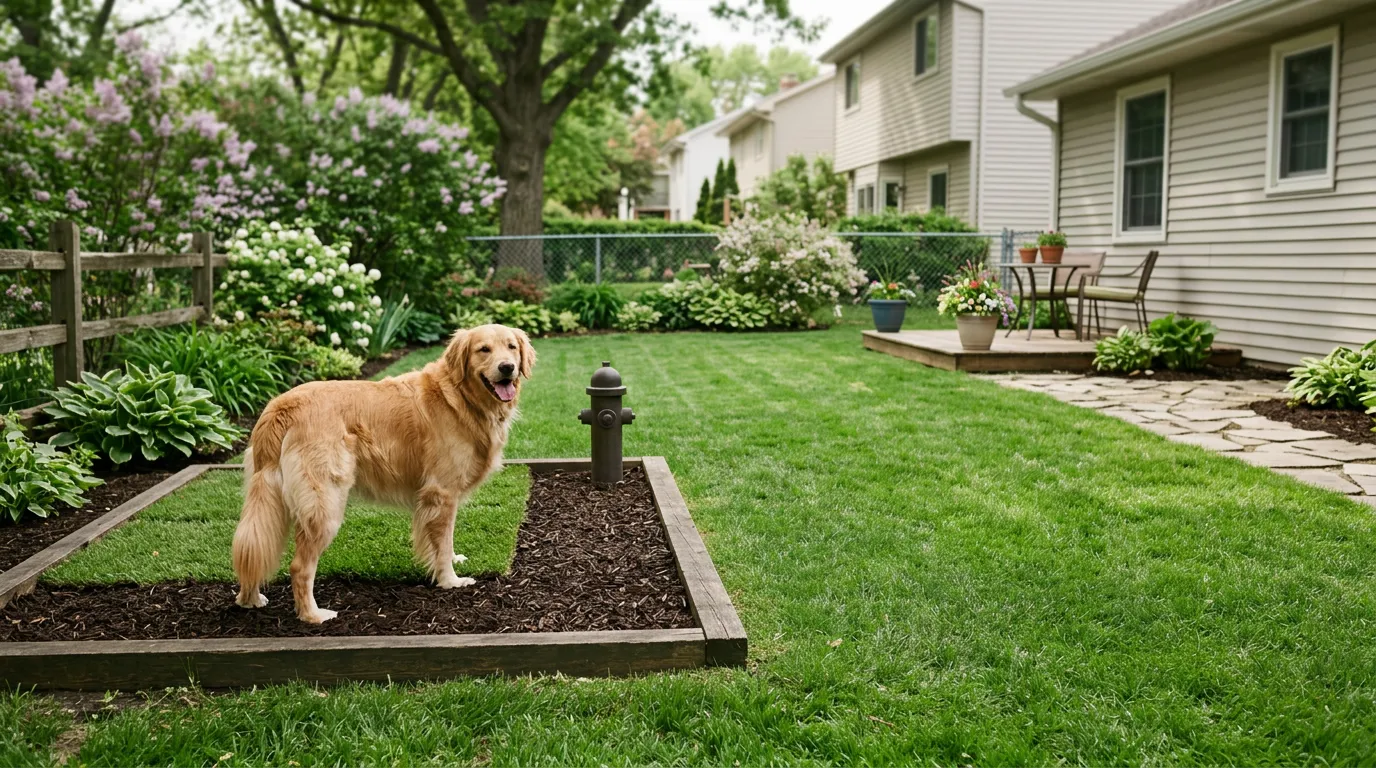
A designated potty area can help reduce wear on the lawn, keep cleanup more manageable, and create cleaner spaces for gardening, relaxing, entertaining, or letting kids play outside. Some people choose a back corner of the yard, while others create a small gravel or mulch area specifically for bathroom use. The exact location matters less than choosing a spot that stays consistent over time.
This can also make ongoing cleanup much simpler, especially for households with multiple dogs. Instead of constantly searching the entire yard, there is a more predictable area to maintain and monitor.
Dogs Learn Through Routine and Communication
The biggest mistake people make is assuming this type of training requires punishment or strict correction. In reality, dogs usually learn faster in calm, positive environments where communication is clear and consistent.
The best approach is to treat your dog almost like a very intelligent child who does not speak your language yet. They may not understand every word you say immediately, but they are constantly learning patterns, tone, reactions, timing, and routines. Over time, they begin connecting those signals together in surprisingly effective ways.
That communication goes both directions too. The more attention you pay to your dog’s habits and behavior, the easier it becomes to recognize how they naturally prefer to move through and use their environment.
How to Start Training a Designated Potty Area
The first step is choosing a specific potty area and sticking with it consistently. For many people, this ends up being a corner of the yard farther away from patios, gardens, and regular foot traffic. Dogs learn through repetition, and constantly changing the location only creates confusion.
For the first couple of weeks, it helps to bring your dog to that area on a leash every single time, even if the yard is fenced. This prevents wandering and helps create a very clear connection between the location and the behavior you want. Once they begin using the area regularly, many dogs start seeking it out automatically on their own.
Using a verbal cue also helps more than people realize. Simple phrases like “go potty” or “do your business” may feel repetitive at first, but dogs become extremely good at associating repeated words with repeated actions. Over time, many dogs begin responding to the phrase itself because they understand the routine surrounding it.
The timing of rewards matters too. If your dog uses the designated area successfully, reward them immediately while still standing in that location. Praise, treats, excitement, or affection all help reinforce the connection. Waiting until you are back inside weakens the association because dogs live much more in the immediate moment than people do.
It also helps to pay attention to timing throughout the day. Most dogs are more likely to need a bathroom break shortly after waking up, eating, drinking water, or playing. Bringing them to the designated area during those moments helps create stronger consistency and fewer opportunities for confusion.
Why Cleaning Accidents Properly Matters
Patience matters more than perfection here. If accidents happen elsewhere in the yard, punishment usually creates confusion and stress rather than better communication.
Dogs tend to return to areas that still carry a familiar scent, which is why cleaning accidents properly matters more than many people realize. Using an enzymatic cleaner helps break down the odor at the source instead of simply masking it, making it less likely your dog will continue returning to the same spot repeatedly.
Calmly redirecting the routine and staying consistent tends to work far better long term than turning the experience into something stressful or negative.
A Cleaner Yard Starts With Consistency
Some dogs adapt to designated potty areas quickly. Others take time. Like most things involving dogs, progress usually comes from patience, repetition, and paying attention to how your individual dog communicates and responds.
Even if the system is never perfect, creating more structure around where your dog goes to the bathroom can make a noticeable difference in how the yard feels and functions day to day. The space becomes easier to maintain, easier to clean, and a lot more enjoyable to actually use.
And during Wisconsin summers, when people finally get to spend time outside again after a long winter, that can make a bigger difference than most dog owners realize.
For Homeowners Who Are Tired of Constant Cleanup
Even with good routines and designated potty areas, keeping up with dog waste consistently can still become one more thing added to an already busy week. Between work, kids, gardening, lawn care, and everything else that comes with maintaining a home, it is easy for cleanup to slowly fall behind again.
That is exactly why we started Scoopie Poo here in Merrill, WI.
We provide simple, reliable dog poop cleanup service for homeowners who would rather spend time actually enjoying their yard instead of constantly maintaining it. Whether you need regular weekly service or help getting things back under control after buildup, we’re here to help keep your outdoor space cleaner and easier to use year-round.
👉 Visit our For Homeowners page to learn more or get started.
Comments are closed