There’s a moment every spring in Wisconsin that feels the same.
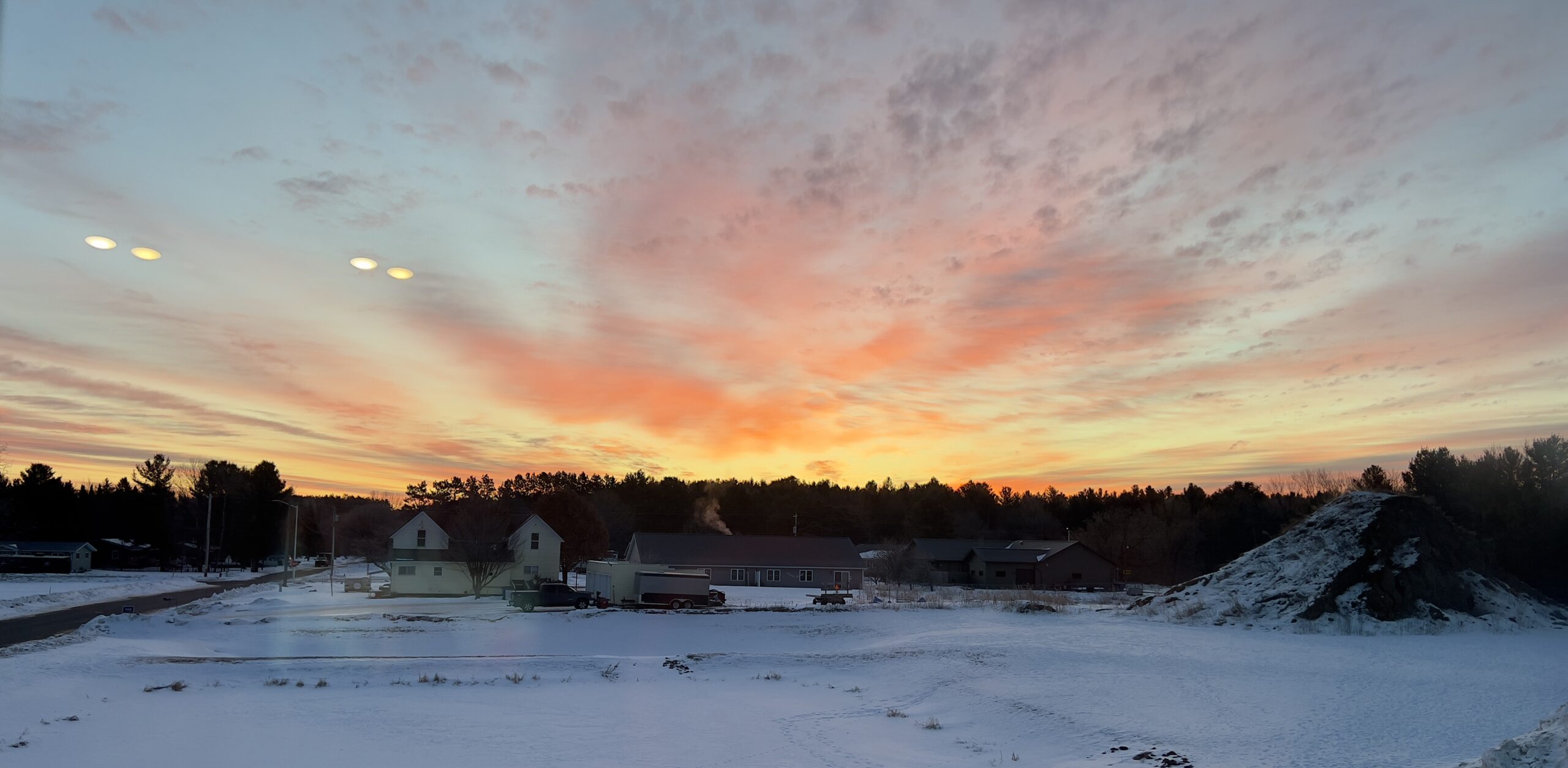
The snow finally starts to pull back. The air warms up just enough to open the windows. You step outside, looking forward to having your yard—or your property—back again after a long winter.
And then you see it.
What looked like a clean, quiet blanket of snow a week ago has turned into a patchwork of exposed grass… and everything that’s been sitting on it for months.
It tends to show up all at once. Not gradually, not politely—just there, across the yard or scattered through common areas, as if winter hit pause and spring hit play.
The Assumption Most People Make
A lot of people assume that pet waste just breaks down over the winter.
It sounds reasonable. Snow covers it, time passes, and by the time things thaw, it should be mostly gone—right?
Not quite.
Cold temperatures slow down the natural breakdown process significantly. Instead of decomposing, pet waste tends to stay exactly where it was left, just frozen in place and hidden under snow. When everything melts, you’re not looking at a few recent weeks—you’re seeing the accumulation of an entire season.
That’s why it feels like so much, all at once. Because it is.
Why It Doesn’t Just “Go Away”
Unlike leaves or other organic yard debris, dog waste doesn’t break down quickly in cold conditions. Microbial activity—the thing that actually drives decomposition—drops off in low temperatures.
So rather than gradually disappearing, the waste sits there through freeze-thaw cycles, snowfalls, and months of cover.
By the time spring arrives, it hasn’t been “processed” by nature. It’s just been stored.
The Fertilizer Myth (and Why It Sticks Around)
There’s another idea that tends to come up this time of year—that dog waste is basically fertilizer.
It’s an easy assumption to make. After all, other types of animal manure are used that way.
But dog waste is very different.
It contains bacteria and parasites that aren’t present in traditional livestock manure, and its nutrient composition isn’t balanced for lawns. In fact, it often has such a high nitrogen content that it can damage grass rather than help it grow.
Instead of improving soil, it can leave behind dead patches, lingering odors, and potential health concerns—especially in areas where people or pets spend time.
What This Looks Like in Real Life
For homeowners, this usually shows up as that first walkthrough of the yard.
You notice a few spots at first. Then a few more. Then you start realizing how much has been sitting there since the first snowfall. What felt manageable in the fall now feels like a much bigger job.
It’s also the point where many people quietly decide to “deal with it later,” which often means it sticks around longer than intended.
For property managers, the timeline is a bit tighter.
As soon as snow melts, shared spaces become visible again—to residents, visitors, and prospective tenants. Areas that may have gone unnoticed during winter suddenly stand out. Complaints tend to follow quickly, and maintenance teams end up reacting to something that’s already built up over months.
In both cases, the issue isn’t new—it’s just been hidden.
Why Spring Is the Turning Point
Spring is less about creating a new problem and more about revealing an existing one.
That’s why this time of year tends to feel overwhelming. It’s not just routine maintenance—it’s a reset.
Once that reset happens, though, things get much easier to manage. A clean baseline changes everything. What felt like a large, time-consuming task becomes something simple to stay on top of moving forward.
A Simpler Way to Think About It
The most practical approach is to separate the problem into two parts:
First, deal with what winter left behind.
Then, keep it from building up again.
That’s it.
Whether it’s a private yard or a shared property, the pattern is the same. One thorough cleanup brings everything back to a manageable state. After that, consistent upkeep prevents the same situation from repeating next season.
Closing Thought
Winter has a way of hiding things. Snow smooths everything out and makes it easy to assume problems have taken care of themselves.
But when it melts, it tells the truth.
And while that first look at your yard—or your property—might not be your favorite moment of spring, it’s also the most useful one. It shows exactly where things stand, and it gives you a clear opportunity to reset.
From there, it’s a lot easier to keep things the way you want them.
Ready to Reset for Spring?
If you’re looking at your yard—or your property—and realizing there’s more to deal with than expected, you’re not alone. This is exactly what spring looks like around here.
We’re currently helping homeowners and property managers in the Merrill and Wausau area get a clean start after winter and keep things under control moving forward.
Whether you need a one-time cleanup or ongoing service, we keep it simple and reliable.
Request a quote and we’ll take a look.
Scoopie Poo provides pet waste removal and yard cleanup services for homeowners, apartment communities, and pet-friendly properties throughout the Merrill and Wausau area.
Call or text: (715) 966-9522
Email: hello@scoopiepoodogs.com
Comments are closed